

❄️ Looking for Frozen Raider Caches? Those are the new caches on Pendola Pass from the Frozen Trail update. See our Frozen Raider Cache locations guide: all 98 possible spots.
🎯 Quick TL;DR: Finding First Wave Caches and Regular Raider Caches
Choose Your Cache Type
This guide covers both cache types:
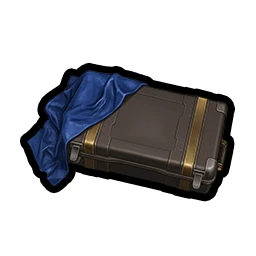
First Wave Caches (hurricane caches)
Hurricane event exclusive • Distinct electric sound • Purple blueprints (Tempest, Bobcat, Vulcano) • Blue Canto SMG blueprint (NEW — Flashpoint) • Premium healing • High-tier mods
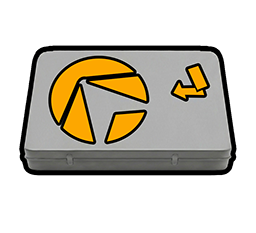
Regular Raider Caches
Every non hurricane raid • Mechanical sound • Standard weapons • Ammo • Basic supplies • Occasional blue items
Naked Run Strategy (Current Meta)
- Check the events page — hurricane events are more sparse now, don't queue blind
- Use the empty "naked" loadout (it has a safe pocket) — competition is too high for geared runs
- Load into a hurricane map — Dam Battlegrounds (highest density) or Blue Gate (community favorite)
- Use the maps below to find the closest cache markers from your spawn
- Listen for the electric sound (use headphones) and check markers quickly
- Found a blueprint? Put it in your safe pocket immediately, then surrender (ESC → Surrender)
- No caches in 5-8 minutes? Surrender and requeue — cache spawn rates were decreased in Flashpoint
- Loot pool: Tempest, Bobcat, Vulcano (purple) + Canto SMG (blue, rarest drop — newly added in Flashpoint 1.22.0)
Blueprints are in high demand right now. The naked strategy lets you farm 2-5 minutes per blueprint with zero risk — no gear lost on surrender, no PvP needed.
Interactive Maps with Cache Locations
Dam Battlegrounds has the highest cache density, and Blue Gate is highly recommended by the community. Click any map to view spawn locations. Tip: Maps have a route planner in the left sidebar to help you create efficient farming routes.
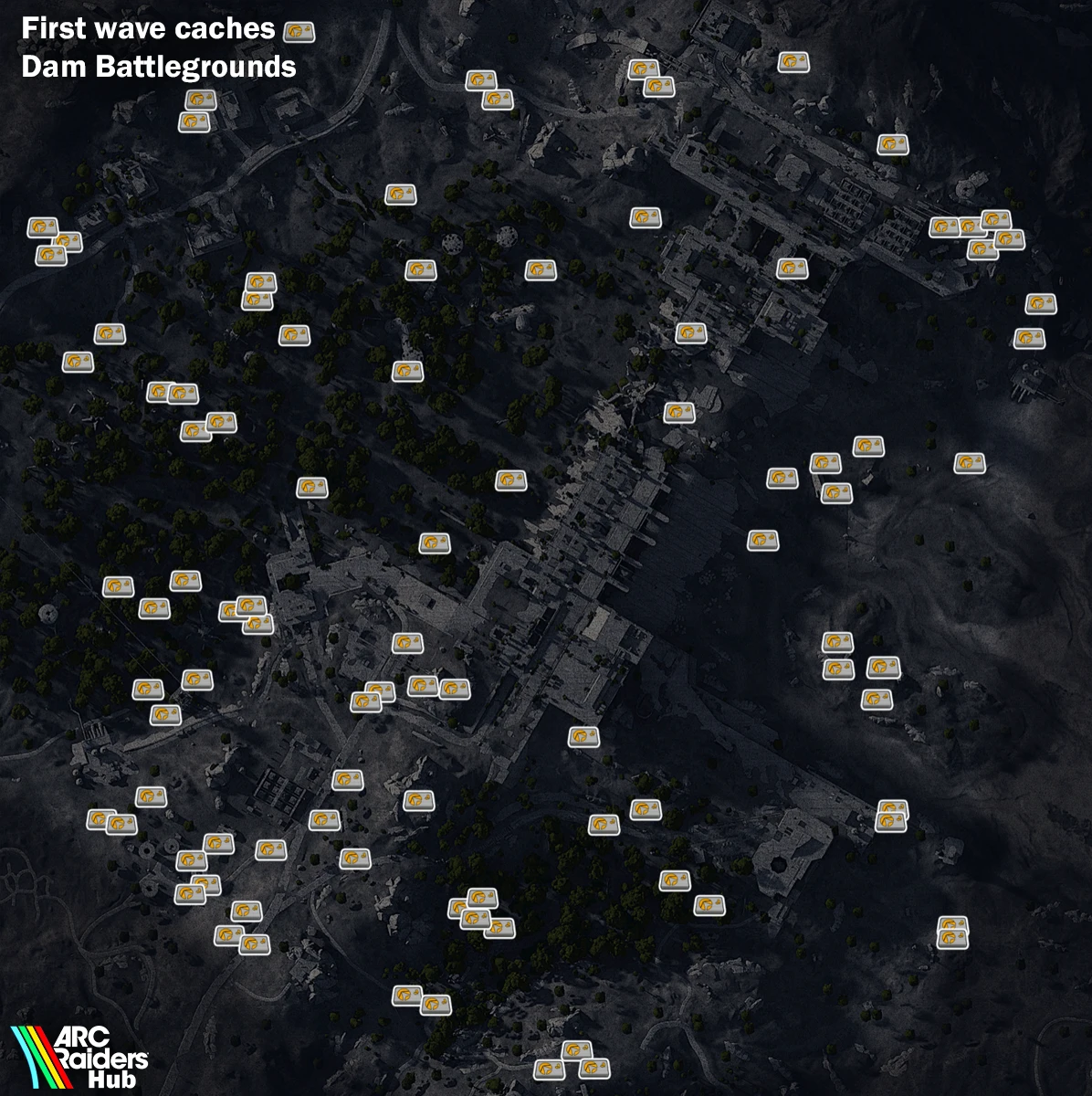
Dam Battlegrounds cache locations
Highest cache density - best for farming First Wave Caches
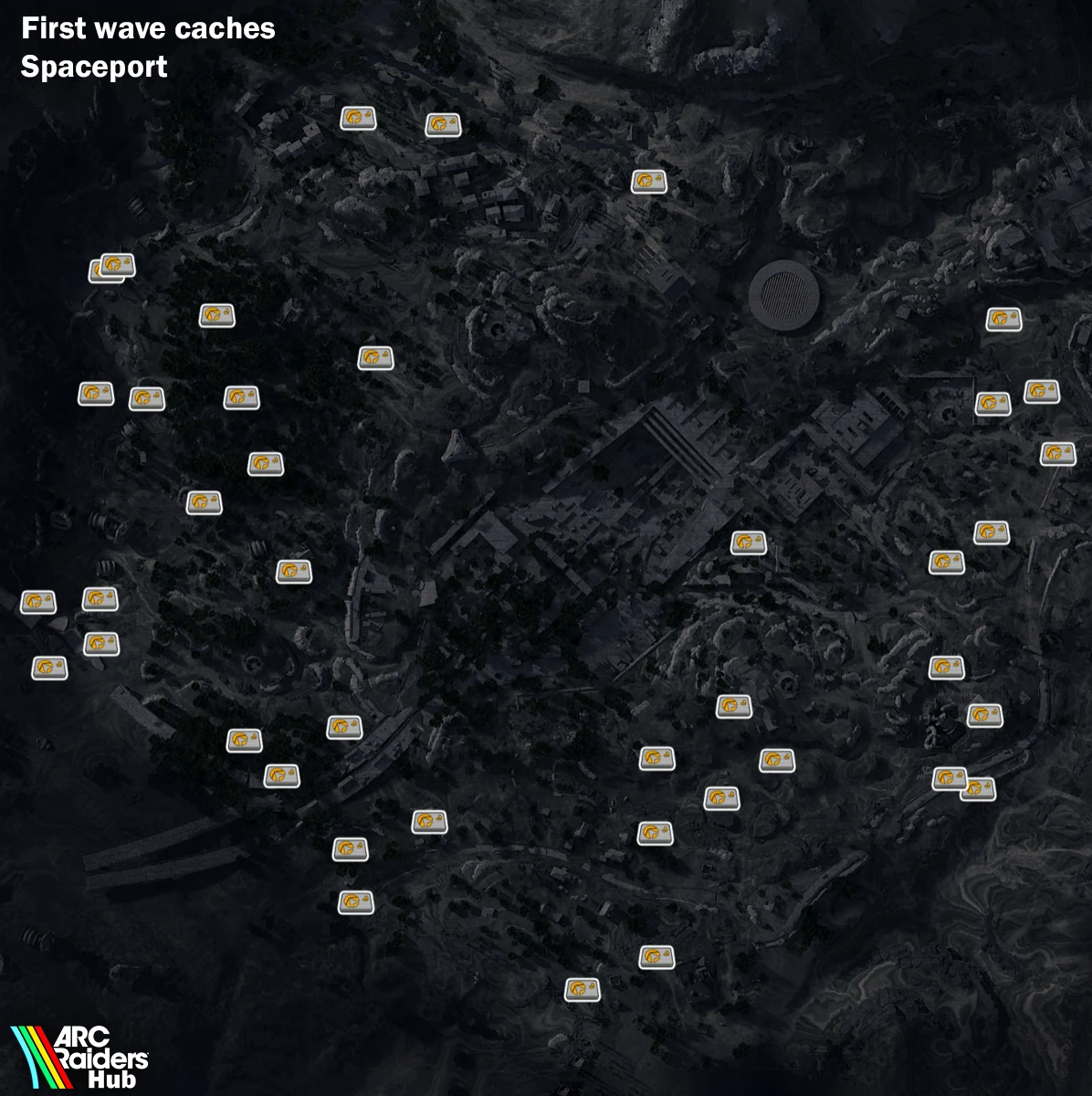
Blue Gate cache locations
Reddit users report consistent cache finds
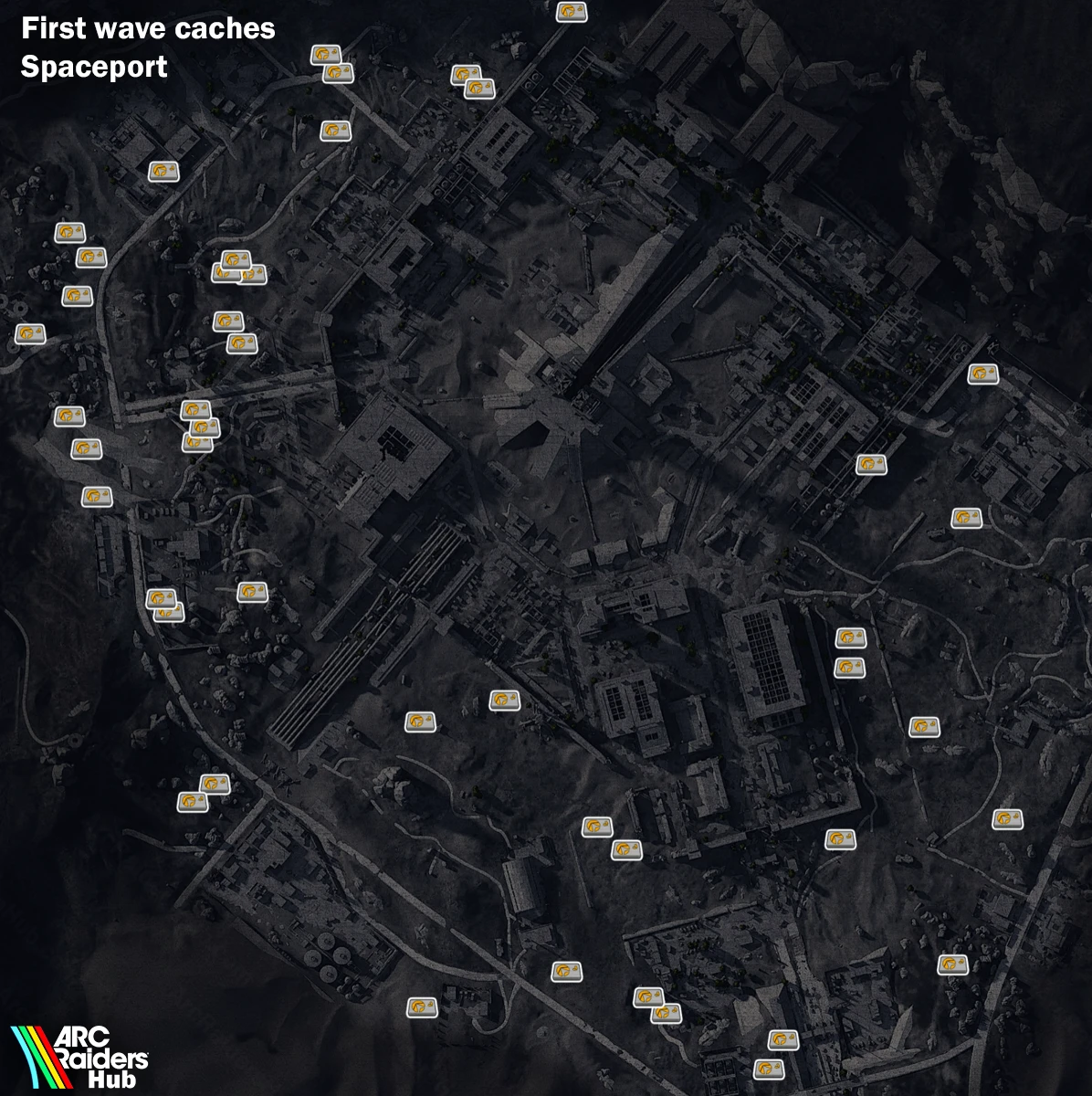
Spaceport cache locations
Good cache distribution across the map
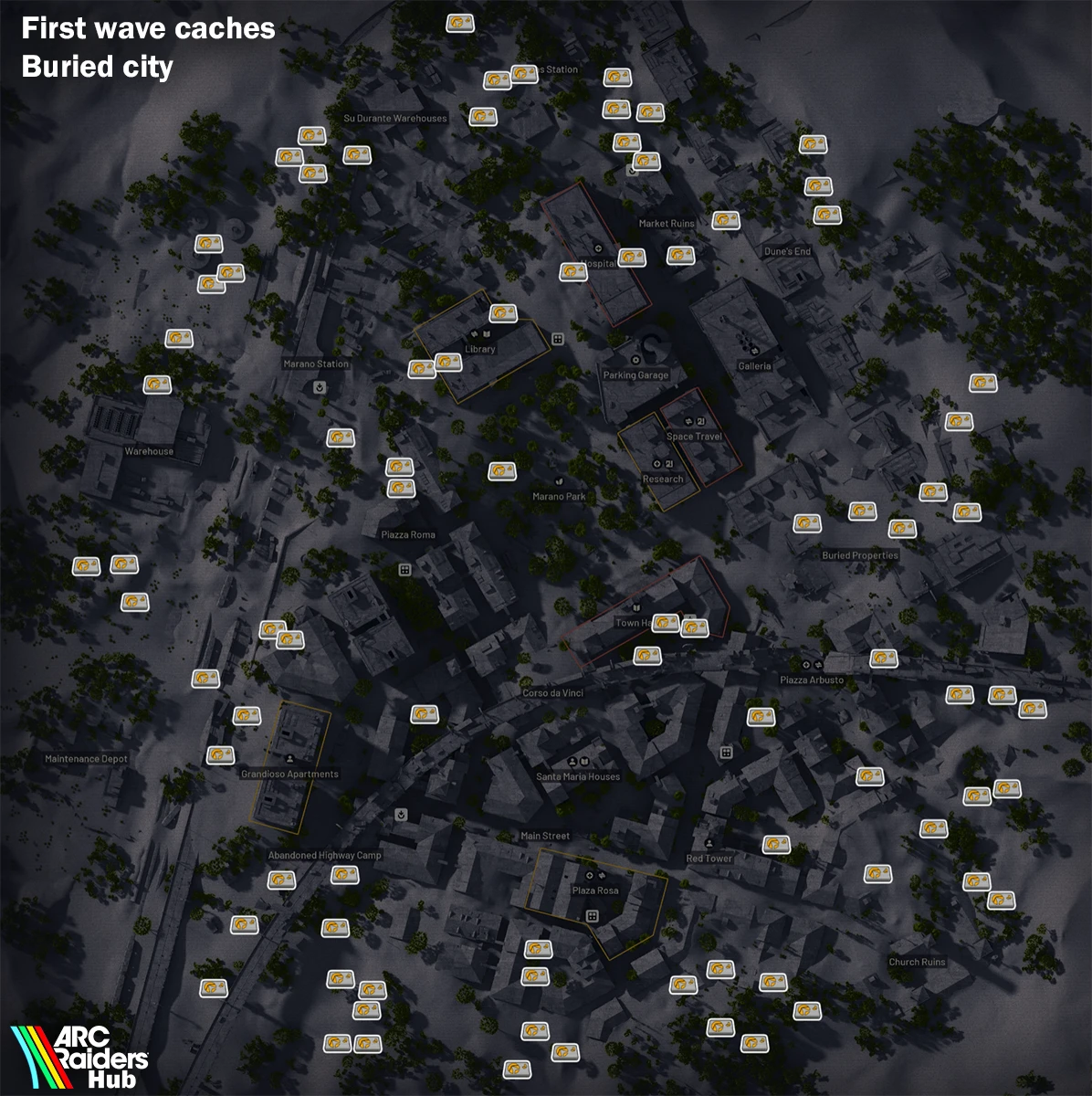
Buried City cache locations
The worst option - raiders report difficulty finding caches

Riven Tides raider cache locations
New map — raider caches every raid, no hurricane event
💎 What Are First Wave Caches? (Arc Raiders Hurricane Caches)
First Wave Caches (also called "Hurricane Caches" by the community) are special raider cache variants introduced in the Shrouded Sky update. These elite containers only spawn during hurricane events and contain the highest-tier loot in Arc Raiders, including blueprints for the most powerful weapons in the game. As of the Flashpoint update (Patch 1.22.0), the Canto SMG blueprint has been added to the loot pool.
⚠️ "Raider Cache" vs "First Wave Cache" — Not the Same Thing
A lot of players use these terms interchangeably, but they refer to two distinct containers:
- Regular Raider Caches — spawn every raid regardless of weather. Common loot: weapons, ammo, basic supplies. Not particularly valuable.
- First Wave Caches (Hurricane Caches) — only spawn during the hurricane event. Rare loot: purple blueprints, premium healing, high-tier mods. The ones worth farming.
They often share the same spawn locations on the map, which is part of the confusion — but during a hurricane, a First Wave Cache appearing at a raider cache marker is a completely different (and much better) container. If it's not a hurricane, you'll only find regular raider caches there.
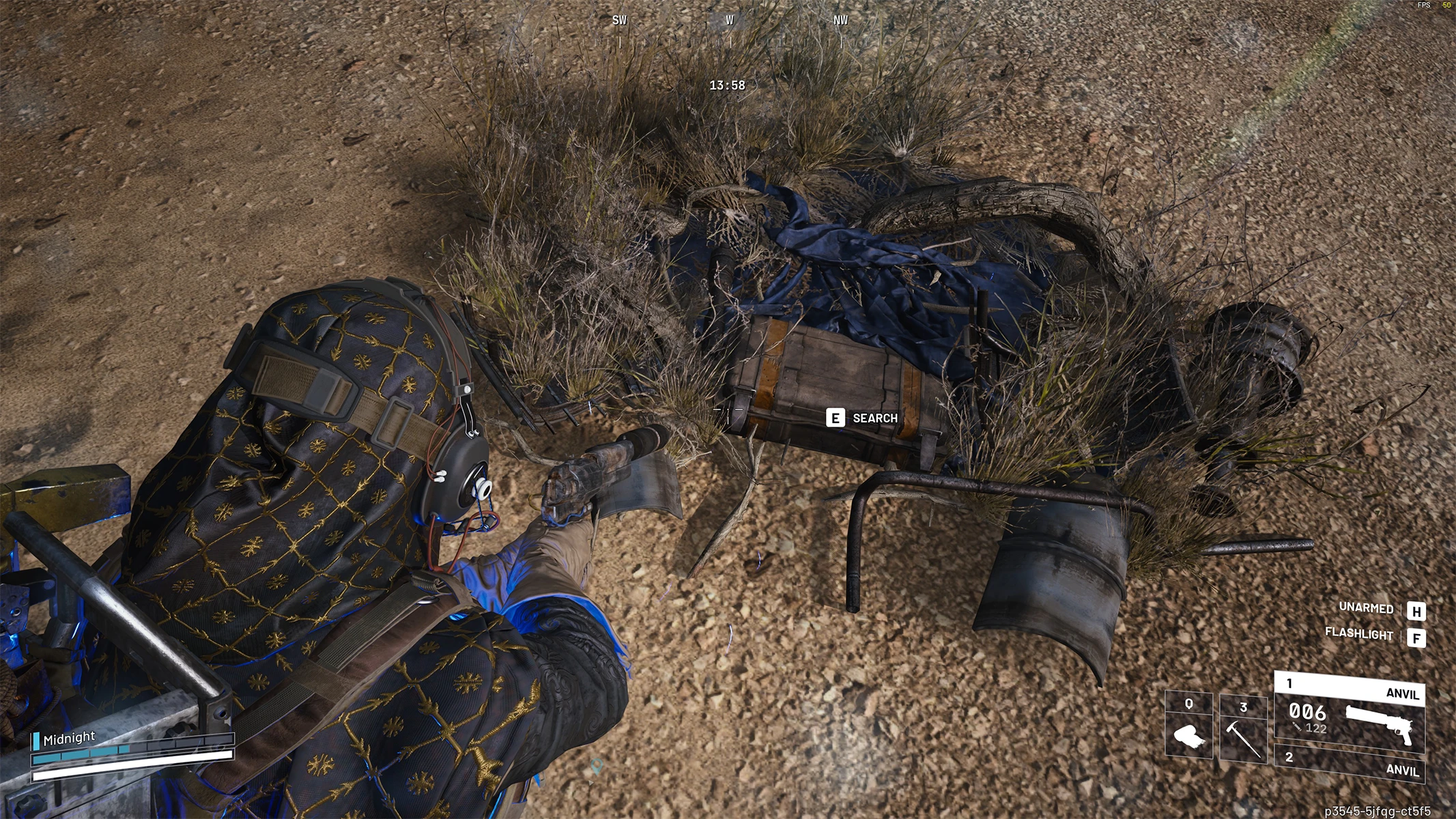
🌪️ Hurricane Event Exclusive
Spawn Condition: Only during active hurricane events (hurricane events are now more sparse post-Flashpoint, cycling less frequently between maps)
Available Maps: All maps except Stella Montis (indoor map)
Spawn Pattern: Use raider cache locations but appear in roughly 1 of every 5-10 markers
Important: Map markers show POSSIBLE spawn locations - not every marker will have a cache in each raid
Cache Spawn Rate: Decreased as of Flashpoint (Patch 1.22.0) — some runs I haven't found any in the first 5-8 minutes of a raid. If you haven't found one by then, surrender and requeue
Best Maps: Dam Battlegrounds (highest density) and Blue Gate (community favorite based on Reddit feedback)
The key difference from regular raider caches is the incredible loot quality. Where regular caches might give you standard weapons and supplies, First Wave Caches consistently drop high-value blueprints and premium healing items that would normally take dozens of raids to accumulate.
📦 Regular Raider Cache Locations
If you're looking for regular raider cache spawn locations (not hurricane-exclusive First Wave Caches), you're in the right place. Regular raider caches spawn on every single raid regardless of weather conditions, and they share most spawn locations with First Wave Caches.
🗺️ Finding Regular Raider Caches
- Use the same maps — Our interactive maps above show all raider cache spawn locations. Simply use the filter checkboxes to show "Regular Raider Caches" only
- Spawn every raid — Unlike First Wave Caches which only appear during hurricanes, regular raider caches are always available
- All maps included — Regular raider caches spawn on Dam Battlegrounds, Blue Gate, Spaceport, Buried City, AND Stella Montis
- Same audio cues — They emit a mechanical sound (though less distinct than First Wave Caches' electric tone)
Regular Raider Cache Loot
Regular raider caches contain standard gear that's useful for early-game progression or quick loadouts:
- Weapons: Common to rare tier weapons (green/blue quality)
- Ammo: Various ammunition types
- Supplies: Basic healing items, tools, materials
- Occasional upgrades: Sometimes blue-tier items or useful mods
While not as valuable as First Wave Caches, regular raider caches are reliable for gearing up during a raid or finding specific ammo types. They're particularly useful when:
- You need to gear up quickly after a rough spawn
- You're low on ammo mid-raid
- You want predictable loot locations without waiting for hurricane events
- You're learning map layouts and spawn locations
💡 Pro Tip: Learn Regular Cache Locations First
Even if you're primarily interested in farming First Wave Caches during hurricanes, learning regular raider cache locations is valuable because First Wave Caches spawn at the same locations. Use non-hurricane raids to memorize the spawn points, then when a hurricane hits, you'll already know exactly where to check.
📍 First Wave Cache & Raider Cache Locations
Spawn Location Strategy
First Wave Caches use the same spawn points as regular raider caches, but they're significantly more sparse. Understanding the spawn pattern is crucial for efficient farming:
⚠️ Important: Map Markers Show POSSIBLE Spawns
The raider cache markers on our interactive maps show where First Wave Caches CAN spawn, not where they WILL spawn. In each hurricane raid, caches spawn at a random subset of these locations. Expect roughly 1 in 5-10 markers to have a cache, but this varies by raid.
- Check our interactive maps for raider cache markers (linked above) to see all possible spawn locations
- Travel to the closest marker cluster from your spawn location
- Approximately 1 in 5-10 markers will have a First Wave Cache in any given raid
- Spacing is inconsistent - in my experience, they rarely spawn very close together, but some players have found caches within 100 meters of each other
- If you find one in a cluster, still check nearby markers - you might get lucky
Note: Stella Montis is an indoor map and doesn't have First Wave Cache spawns during hurricanes.
Using the First Wave Cache Map
Our interactive maps (linked above) show all raider cache spawn locations with filters enabled. These markers represent POSSIBLE spawn locations — First Wave Caches won't appear at every marker in each raid:
🗺️ Understanding Our Map Markers
Regular Raider Cache Marker
Potential spawn locations for any raider cache
First Wave Cache Marker
Confirmed First Wave Cache spawn locations
Important: Both marker types share the same general area pool and are very close to each other. You might find First Wave Caches at regular raider cache marker locations, but if you're close to a First Wave Cache marker, check that location first as it's a confirmed spawn point.
- Identify high-density areas with multiple raider cache spawns
- Understand these are potential spawns - expect roughly 1 in 5-10 to have a cache
- Plan a route that checks multiple markers in sequence
- Don't skip clusters - while spacing is often spread out, multiple caches can spawn near each other
- Mark your finds to track patterns for future runs
🎧 How to Identify First Wave Caches by Sound
The most reliable way to locate First Wave Caches is by audio detection. They emit a distinctive sound that's noticeably different from regular raider caches.
Listen to the unique First Wave Cache sound and watch a Tempest blueprint drop
The Unique Sound Profile
🔊 What to Listen For
Sound Description: Mechanical noise with a distinct electric tone - not quite like regular raider caches
Pro Tip: Use headphones for best results. The electric tone becomes much more obvious with good audio separation
Memory Aid: Once you hear it, you'll remember it. The electric component makes it instantly recognizable
🔧 Can't Hear Cache Sounds? Try These Fixes
Some players report difficulty hearing raider cache sounds. If you're experiencing this issue, try these community-tested solutions:
- Audio Settings Fix: In your Sound settings, change the output from "System Default" to "Stereo" — some players report this immediately fixes the issue
- Game Audio Balance: Enable night mode, turn off all music, and set game sound to 100%. This maximizes the cache audio signal over other sounds
Audio Hunting Strategy
- Approach a raider cache marker (or hurricane cache marker) on your map
- Stop moving when you're close (within ~30-50 meters)
- Listen carefully for the mechanical-electric sound
- Home in on the sound - move in the direction where it gets louder (use headphones to hear directionality)
- You'll find it quickly once you've locked onto the audio signature
This audio detection method is far more efficient than visually searching every possible spawn location. The sound carries a decent distance, allowing you to identify First Wave Caches without having to check every marker manually.
💰 First Wave Cache Loot Table
⚠️ Flashpoint Update — March 31, 2026 (Patch 1.22.0)
The Canto SMG blueprint has been added to the First Wave Cache loot pool. Despite being blue rarity (lower than Bobcat and Vulcano), the Canto blueprint is currently the rarest drop — likely because it's brand new. Expect to spend around 1.5 hours of dedicated farming to find one.
Additionally, hurricane events are now more sparse and cache spawn rates have been decreased. Many raids will have no caches in the first 5-8 minutes — if you come up empty in that window, surrender and requeue. Track hurricane timings on our events page to avoid wasting time.
Previous nerf (Patch 1.18.0, March 3): Blueprint drop rates were lowered slightly, with higher-tier materials increased in compensation. Caches are still worth farming overall.
The loot from First Wave Caches is dramatically better than regular raider caches. Here's what you can expect:
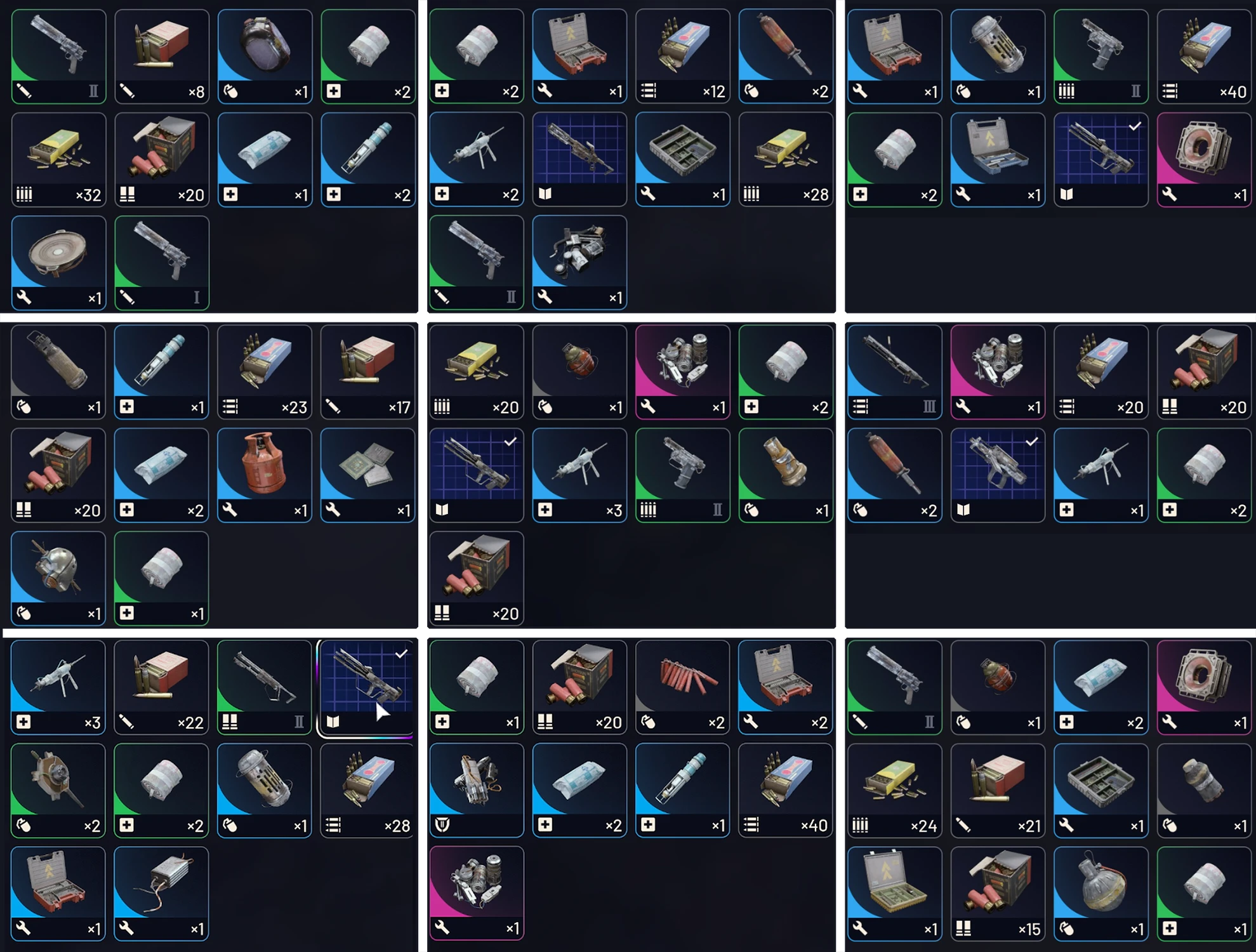
Epic Weapon Blueprints (The Main Prize)
🏆 Premium Blueprint Drops
- Tempest Blueprint: High drop rate - appeared more frequently than other purple blueprints in my testing
- Bobcat Blueprint: Regular purple blueprint in rotation
- Vulcano Blueprint: Regular purple blueprint in rotation
- Canto SMG Blueprint: NEW (Flashpoint 1.22.0) — Blue rarity but currently the rarest drop. Despite being a lower tier than Bobcat and Vulcano, it's harder to find because it's newly added. Budget ~1.5 hours of farming to find one
Real Results: Based on my farming sessions, roughly 60% of caches contained blueprints, with Tempest appearing in about half of those. However, individual runs varied - some had multiple purple blueprints, others had none. The key takeaway: I've never extracted from a hurricane event without finding at least one or two purple blueprints total. After several runs, you'll start accumulating more blueprints than you can use.
High-Grade Healing Items
First Wave Caches consistently drop premium healing supplies that are normally rare and expensive:
- Vitashot
- Sterilized Bandage
- Herbal Bandage
These healing items alone make First Wave Caches worth farming. After several runs, you'll have more medical supplies than you know what to do with.
High-Value Weapons
In addition to blueprints, First Wave Caches frequently contain actual high-tier weapons ready to use or sell:
- Torrente 3
- Anvil 2
- Renegade (often multiple)
- Other purple-tier weapons
These weapons are valuable both for immediate use and for their high sell value when you accumulate multiple copies.
Other High-Value Loot
First Wave Caches also contain premium mods and components (see loot grid image above for examples):
- Exodus Modules
- Magnetic Accelerator
- Other premium weapon mods and attachments
Total Value
💵 Real Farming Results
Example 1-Hour Farming Session (5 raids):
- 3x Tempest blueprints
- 1x Vulcano blueprint
- 1x Bobcat blueprint
- Various high-grade healing items
- Multiple Exodus Modules and premium mods
Total Sell Value: 500,000+ Credits
This total includes loot from caches plus other items collected during the runs. The First Wave Caches alone provide the majority of the value through premium blueprints and healing items.
🗺️ Farming Strategy: Maximizing Hurricane Cache Finds
The Current Meta: Naked Run Strategy
Hurricane events are now more sparse since the Flashpoint update, cycling less frequently between maps. Check the events page to track when hurricanes are active — don't waste time queuing blind. During any active hurricane, only First Wave Caches spawn - regular raider caches are replaced entirely. However, the meta has evolved due to high competition and reduced cache spawn rates:
🏃 Why "Naked Runs" Are Now More Efficient
The Problem: Everyone is farming First Wave Caches, competition is high, and cache spawn rates have been decreased in Flashpoint. Many raids will have no caches in the first 5-8 minutes.
The Solution: Speed-run for blueprints. If you don't find a cache within 5-8 minutes, surrender and requeue immediately — fresh raids are more efficient than wandering an empty map.
Step-by-Step Naked Run Strategy
- Use the empty "naked" loadout - it has a safe pocket
- Load into a hurricane map (Dam Battlegrounds or Blue Gate recommended)
- Note your spawn location and immediately check the closest cache markers on our maps
- Listen for the unique electric sound - check multiple markers quickly
- When you find a cache, open it
- Put the first good blueprint (Tempest, Bobcat, Vulcano, Canto) in your safe pocket immediately
- Hit ESC and select "Surrender" - don't bother extracting
- Your safe pocket blueprint returns to Speranza with you
- Queue immediately for another raid and repeat
- If you spawn late or find no caches in 5-8 minutes - surrender immediately and requeue. Post-Flashpoint cache spawn rates are lower, so don't waste time on dry raids
💡 Why This Strategy Works
- Speed: You spend 2-5 minutes per blueprint instead of 20-40 minutes trying to extract
- Zero risk: You're running naked, so you lose nothing when you surrender
- No PvP: Completely avoid combat - you're not trying to extract
- Fresh spawns: Each new raid has a fresh set of potential caches — critical now that cache spawn rates are lower
- Scales with luck: If you get lucky and find multiple caches quickly, you can grab more than one blueprint before surrendering
- Blueprints in demand: Canto blueprints especially are in high demand right now as a new addition — naked runs let you farm them efficiently
Traditional Farming (If Competition Is Low)
If you're playing during off-peak hours or in friendly lobbies with low competition, you can still do traditional multi-cache farming:
- Load into a map with an active hurricane
- Note your spawn location and plan your route based on it
- Check our interactive maps for nearby raider cache markers (linked above)
- Travel to the closest marker cluster from your spawn point
- Listen for the unique sound signature as you approach marker locations
- When you find and loot caches, immediately put blueprints in safe pockets
- Continue checking markers until your route is complete or competition increases
- Extract with your accumulated loot
Advanced Route Planning
Use the interactive maps to plan an efficient route:
- Pre-identify 5-7 raider cache marker clusters spread across the map
- Plan a route that visits each cluster in sequence
- Check multiple markers per cluster since spawns are random - you might find multiple caches in one area
- End near an extraction point for quick exit with your loot
While my personal experience suggests caches rarely spawn very close together, Discord feedback shows this isn't universal - some players have found caches within 100 meters of each other. Don't skip checking nearby markers in a cluster just because you found one.
🎯 Best Maps for First Wave Raider Cache Farming
Top Tier: Dam Battlegrounds & Blue Gate
Based on map data and community feedback, these two maps are the most reliable for First Wave Cache farming:
Dam Battlegrounds
- Highest cache density based on marker data
- Multiple high-density clusters spread across the map
- Excellent for spawn-based route planning
- Open terrain makes travel between markers fast
Blue Gate
- Community favorite - Reddit users consistently report finding caches here
- Good cache distribution throughout the map
- Multiple clusters within short travel distances
- Good extraction point access
Alternative Options
Spaceport
Viable option with decent cache distribution. Good if you spawn in favorable locations or prefer the layout.
Buried City
Note: While our data shows good cache density, Reddit users report difficulty finding caches on Buried City. The vertical gameplay and complex layout may make caches harder to locate even with the map markers. Consider this map as a backup option only.
💡 Community Recommendation
If you're new to First Wave Cache farming, start with Blue Gate. It has the best community success rate. If you want to maximize efficiency and learn the patterns, move to Dam Battlegrounds for its higher marker density.
⚔️ Combat & Survival Tips
New Hurricane ARC Threats
The hurricane event introduces two new ARC enemies that are extremely dangerous - on par with Stella Montis Shredders:
- Comet (Igniter) - brutal new ARC variant
- Firefly (Burner) - another deadly addition
For detailed strategies on how to fight these ARCs, including movement patterns and weak points, see our Comet Igniter & Firefly Burner Guide.
⚠️ Loadout Requirements for Hurricane Events
For Naked Runs (Recommended): Use the empty "naked" loadout. It has a safe pocket, which is all you need for the surrender strategy.
For Traditional Farming: DO NOT use "free loadouts". They have:
- Zero safe pockets (you'll lose valuable blueprints if you die)
- Low-level gear insufficient for new ARC threats (Comet and Firefly are tough)
- Minimal ammo that won't sustain you through encounters
Recommended for Traditional Runs: Bring a proper loadout with safe pockets and the Hullcracker specifically for dealing with Comet and Firefly ARCs. These enemies require serious firepower. See the Comet & Firefly guide for detailed combat strategies.
Safe Pockets: ALWAYS put valuable blueprints (Tempest, Bobcat, Vulcano, Canto) into safe pockets immediately after looting. Don't risk losing 500K+ credits worth of loot to an ARC or PvP death.
PvP Considerations
Hurricane caches are high-value targets that attract other players. During hurricane events, expect increased competition:
- Stay alert - other players are hunting the same caches
- Listen for footsteps while listening for cache sounds
- Check your surroundings before committing to opening a cache
- Have an escape route planned before you start looting
- Don't get greedy - extract with a few good finds rather than risk losing everything
Hurricane Event Hazards
Hurricane events add environmental challenges to your cache farming:
- Reduced visibility - harder to spot approaching players and ARCs
- Wind and debris - can expose your shield to ARC detection
- Audio interference - hurricane sounds can mask footsteps and cache sounds
- Navigation difficulty - landmarks harder to see in poor weather
⚠️ Extract Early, Extract Often
Don't try to loot every First Wave Cache on the map in one run. The moment you have 1-2 premium blueprints safely in your safe pockets, seriously consider extracting. One successful extraction with great loot is worth more than dying with an inventory full of Tempest blueprints.
🌊 Riven Tides Raider Cache Locations
Riven Tides is the newest Arc Raiders map, and a lot of players are searching for raider cache locations on Riven Tides. The short answer: Riven Tides has regular raider cache spawns on every raid, but no First Wave Caches — the map does not have a hurricane event.
🗺️ Riven Tides Cache Quick Facts
Regular Raider Caches: Yes — spawn on every raid, all weather
First Wave Caches (Hurricane Caches): No — Riven Tides has no hurricane event
Interactive Map: Riven Tides Raider Cache Map — view all spawn locations with the raider cache filter
Use our interactive Riven Tides map to see every raider cache spawn point. The map shows all confirmed locations — note that not every marker will be active in a single raid, as cache spawns are randomized per session.
Why No First Wave Caches on Riven Tides?
First Wave Caches are exclusive to maps that host the hurricane weather event. Riven Tides currently uses a different weather system and does not cycle into hurricane conditions, so the special First Wave Cache variant never spawns there. If you're specifically farming for blueprints like the Tempest, Bobcat, Vulcano, or Canto SMG, stick to Dam Battlegrounds or Blue Gate during an active hurricane.
❓ Frequently Asked Questions
Where do First Wave Caches spawn in Arc Raiders?
First Wave Caches (hurricane caches) spawn during hurricane events on all Arc Raiders maps except Stella Montis. They share the same raider cache locations as regular caches but are more sparse, appearing at roughly 1 out of every 5-10 raider cache markers. Use our interactive first wave cache map above to see all possible spawn locations — spawns are randomized each raid, so not every marker will have a cache.
How do I identify a First Wave Cache?
First Wave Caches emit a distinctive sound - mechanical noise with an electric tone that's different from regular raider caches. Once you hear it, you'll remember it. Use headphones for the best audio detection, and follow the sound to locate the cache quickly.
What loot do First Wave Caches contain?
Arc Raiders first wave caches contain blueprints (Tempest, Bobcat, Vulcano, and the newly added Canto SMG from Flashpoint 1.22.0), high-grade healing items (vitashot, sterilized bandage, herbal bandage), and premium mods like Exodus Modules and Magnetic Accelerator. The Canto blueprint is blue rarity but currently the rarest drop since it's new — expect ~1.5 hours of farming to find one. Hurricane events are more sparse now and cache spawn rates were decreased, so check the events page to time your farming sessions.
What is the best map for farming First Wave Caches?
Dam Battlegrounds has the highest cache density based on marker data. However, Blue Gate is the community favorite with Reddit users consistently reporting successful cache finds. If you're new to farming, start with Blue Gate. Avoid Buried City as community feedback indicates difficulty finding caches there despite good marker density.
What is the "naked run" strategy?
The naked run strategy is the current meta for First Wave Cache farming — and it's even more important now that cache spawn rates have been decreased. Use the free "naked" loadout (which has safe pockets), spawn into a hurricane map, find one good blueprint (Tempest, Bobcat, Vulcano, or the new Canto), put it in your safe pocket, then hit ESC and surrender. If you don't find a cache within 5-8 minutes, surrender and requeue immediately. Blueprints are in high demand right now, especially the Canto SMG.
How often do First Wave Caches spawn?
First Wave Caches only spawn during hurricane events and appear at approximately 1 in every 5-10 raider cache marker locations. Since the Flashpoint update (Patch 1.22.0), cache spawn rates have been decreased — it's common to go the first 5-8 minutes of a raid without finding any caches. If you come up empty in that window, surrender and requeue for a fresh raid. Hurricane events themselves are also more sparse now, so use the events page to track when they're active.
Can I find the Canto blueprint in a hurricane cache?
Yes — the Canto SMG blueprint was added to the First Wave Cache (hurricane cache) loot pool in the Flashpoint update (Patch 1.22.0, March 31, 2026). It's blue rarity, which is lower than Bobcat and Vulcano (purple), but it's currently the rarest drop because it's newly added. Expect around 1.5 hours of dedicated farming to find one. Use the naked run strategy and check the events page to time your runs with active hurricanes.
Can I farm First Wave Caches on Stella Montis?
No, First Wave Caches do not spawn on Stella Montis during hurricane events. Focus your farming efforts on Dam Battlegrounds, Blue Gate, Spaceport, or Buried City for guaranteed First Wave Cache spawns during hurricanes.
What is the Tempest blueprint drop rate?
Based on my farming experience, Tempest blueprints appeared more frequently than other purple blueprints. Roughly 60% of caches contained blueprints, with Tempest showing up in about half of those. However, individual runs vary significantly - some yield multiple purple blueprints, others none. The consistent pattern: I've never extracted from a hurricane event without finding at least one or two purple blueprints total across all the caches I opened.
Do Riven Tides raider caches have First Wave Caches?
No. Riven Tides has regular raider caches that spawn on every raid, but the map does not have a hurricane event — so First Wave Caches never spawn on Riven Tides. For First Wave Cache farming (blueprints like Tempest, Bobcat, Vulcano, Canto), you need to play Dam Battlegrounds, Blue Gate, Spaceport, or Buried City during an active hurricane. Check the events page to see when hurricanes are running. For the regular raider cache spawn locations on Riven Tides, use our Riven Tides interactive map.